FlagCounter

Flag Counter
Showing posts with label retro. Show all posts

Sunday, June 18, 2017

Stalingrad 1950´s


Представляю вашему вниманию набор открыток Сталинграда. Именно так этот город назывался до 1961-го года. Сейчас это Волгоград, а до 1925-го носил название Царицын.

Все подписи к фоткам - как на оригинальных открытках.

1. Набережная.


2. Лестница на набережной Волги.


3. Улица Мира.


4. Площадь Павших борцов.


5. Сквер на площади Павших борцов.


6. Улица Ленина.


7. Волжский маяк.


8. У "дома Павлова".


9. Вокзал.


10. Планетарий.


11. Здание гостиницы.


12. Памятник павшим в боях за Царицын.


13. Драматический театр имени А.М. Горького.
stalingrad50xx 014 (Custom).jpg

14. Центральный универмаг.
stalingrad50xx 016 (Custom).jpg

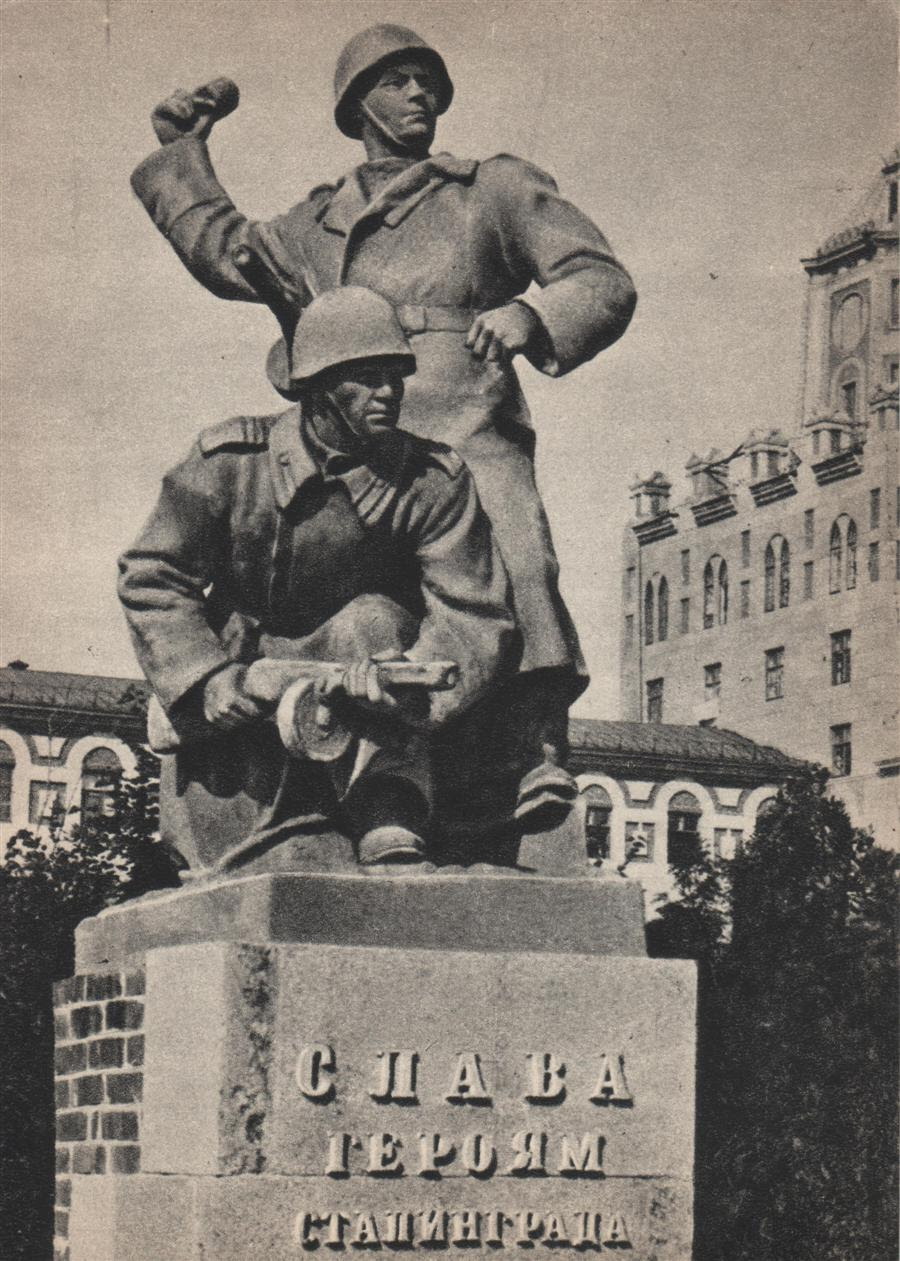
15. Памятник героям Сталинграда.
stalingrad50xx 017 (Custom).jpg

Спасибо за внимание!
stalingrad50xx 001 (Custom).jpg


Sunday, April 16, 2017

Fish Samuel Fallour

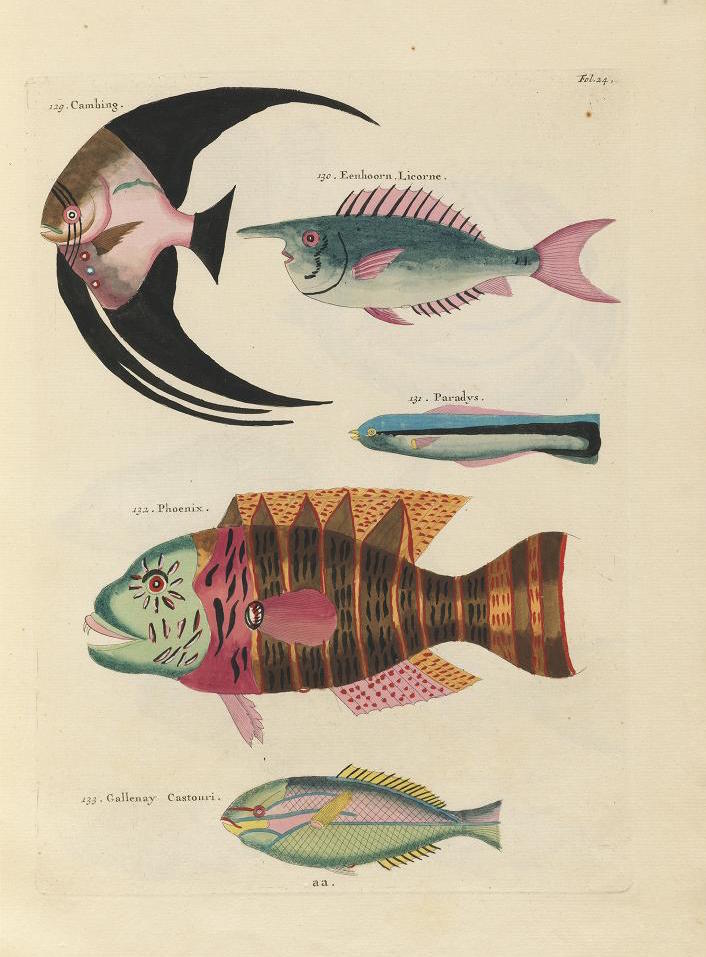
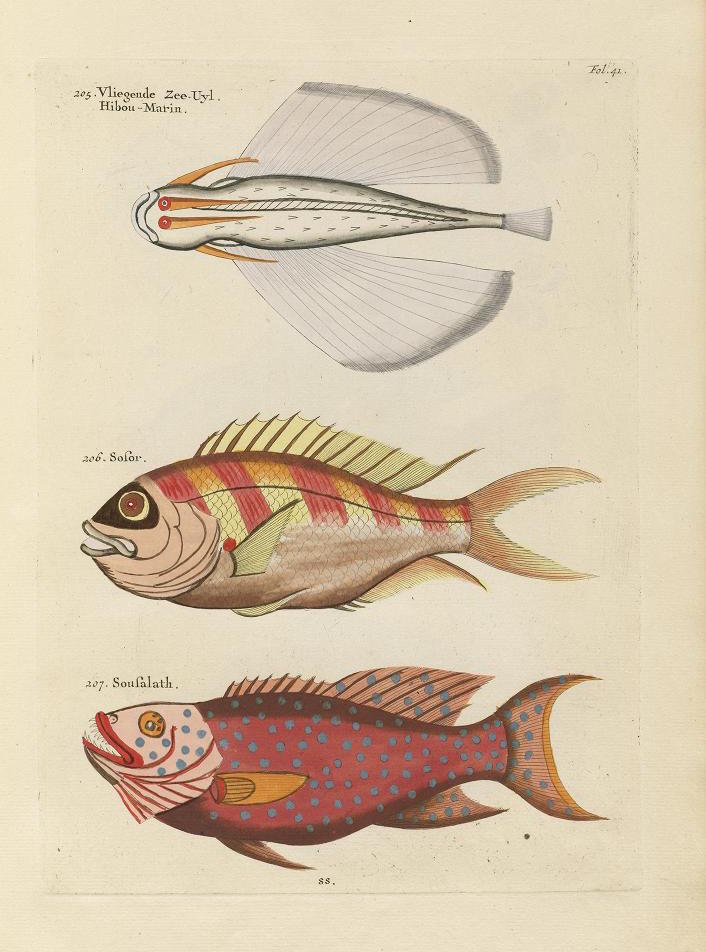
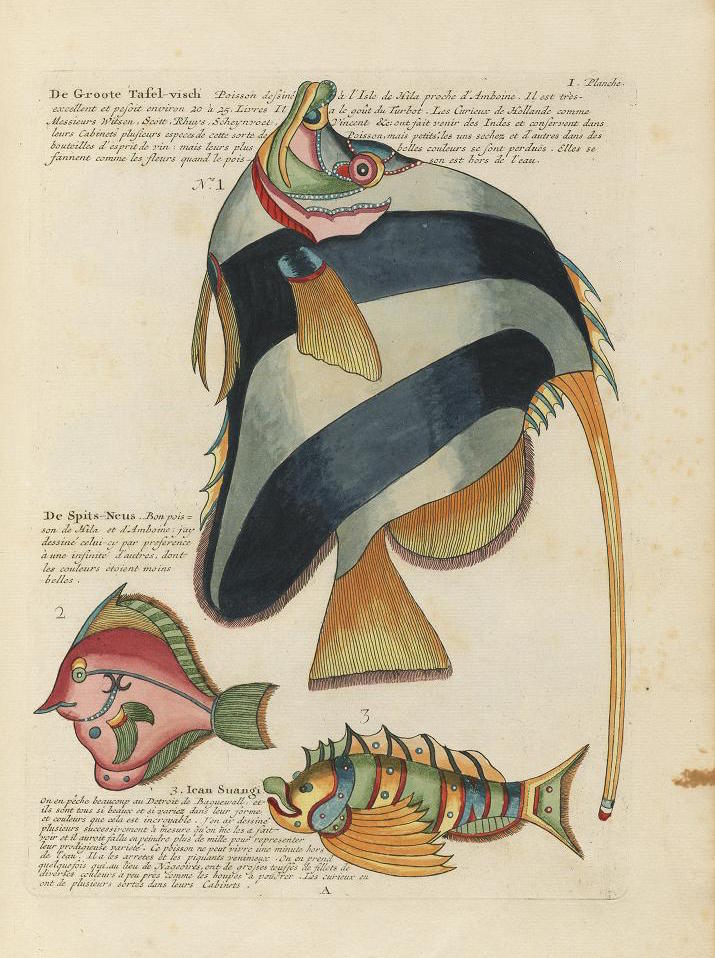
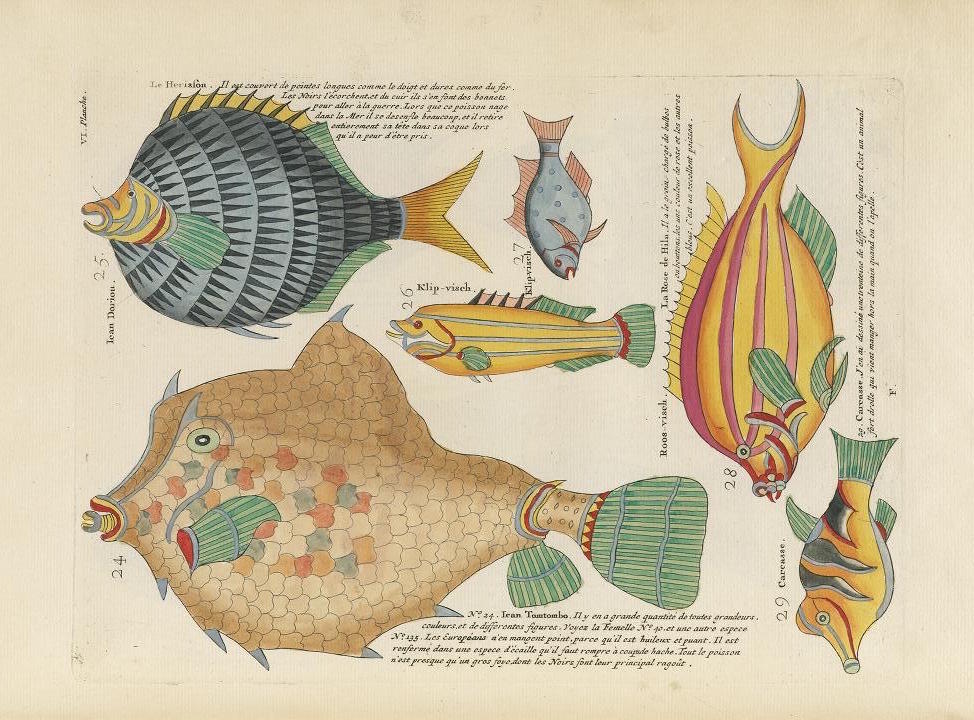
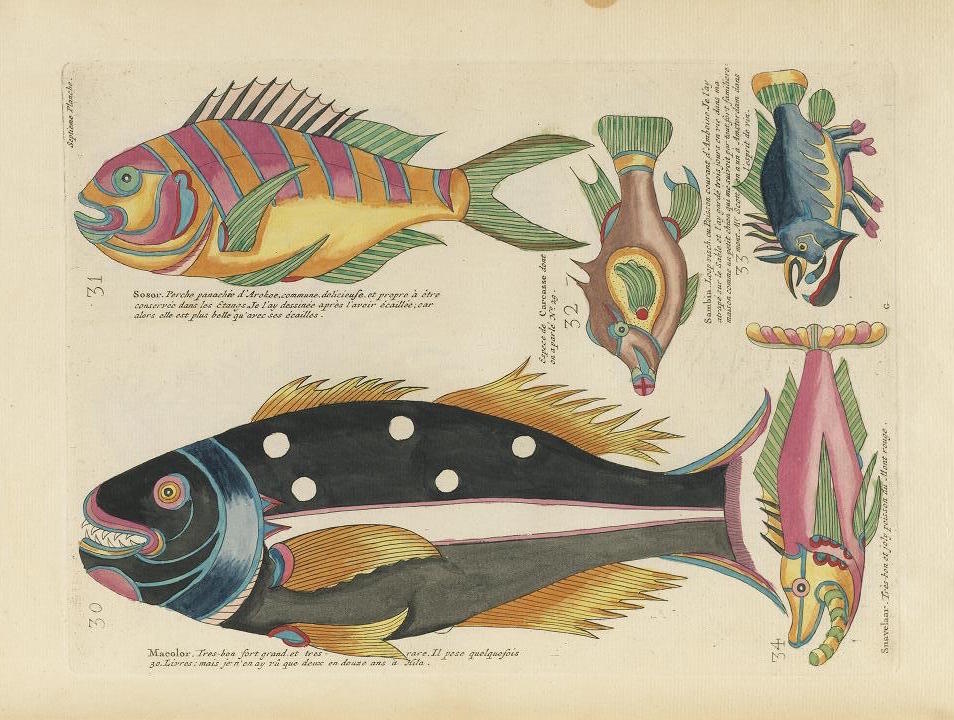
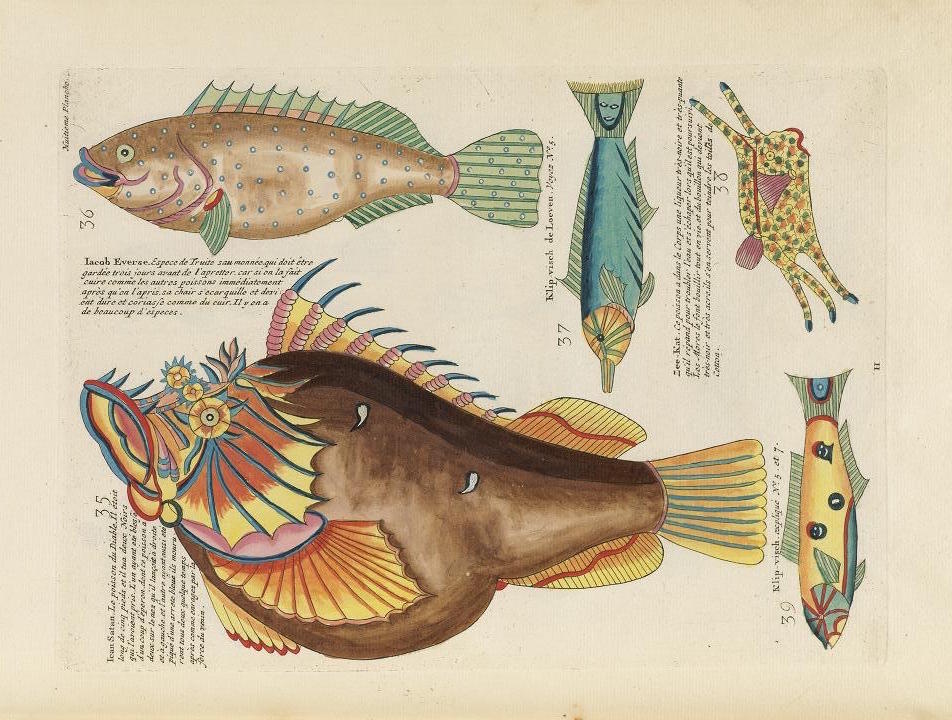
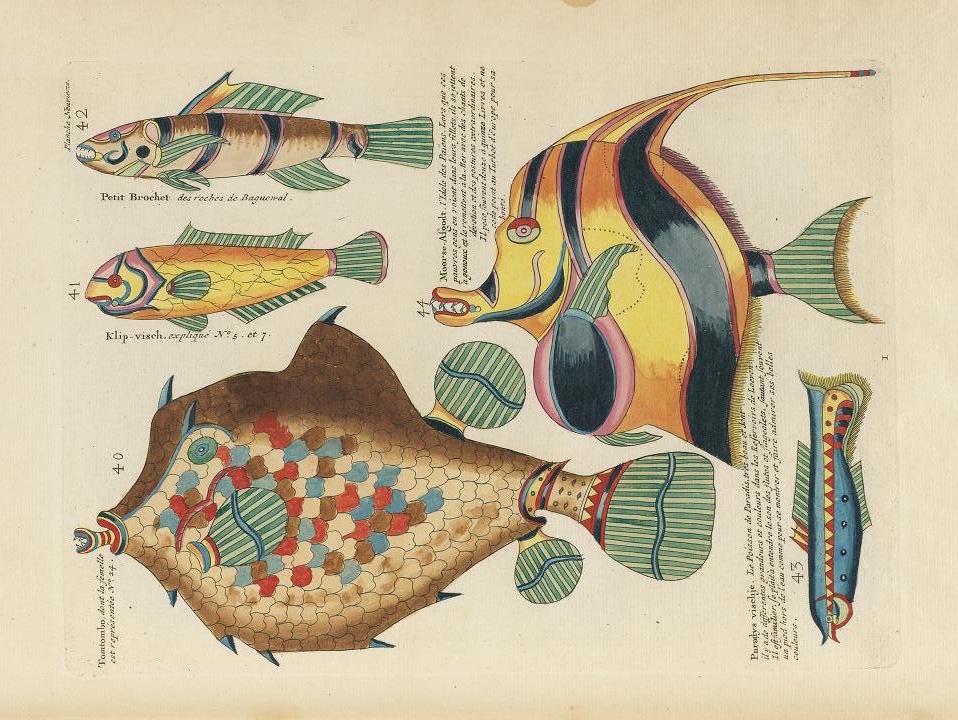
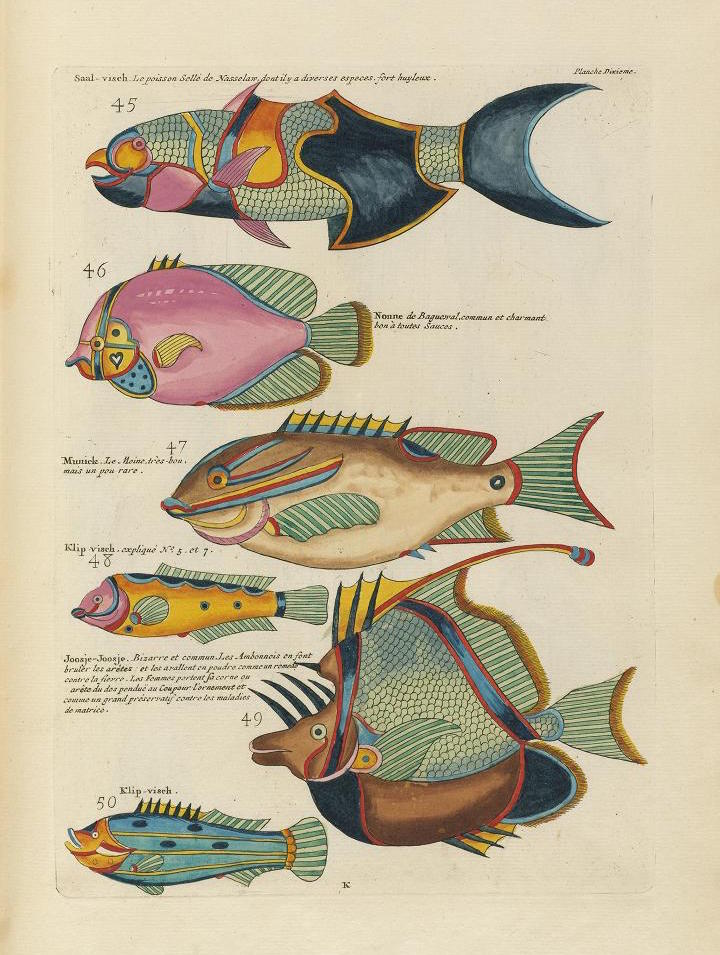
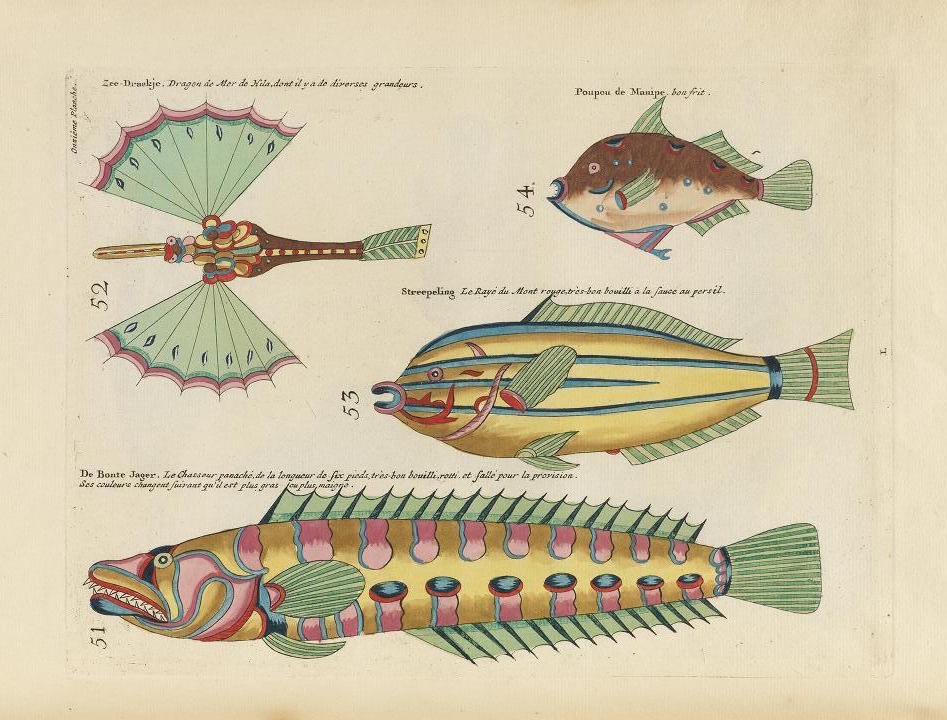
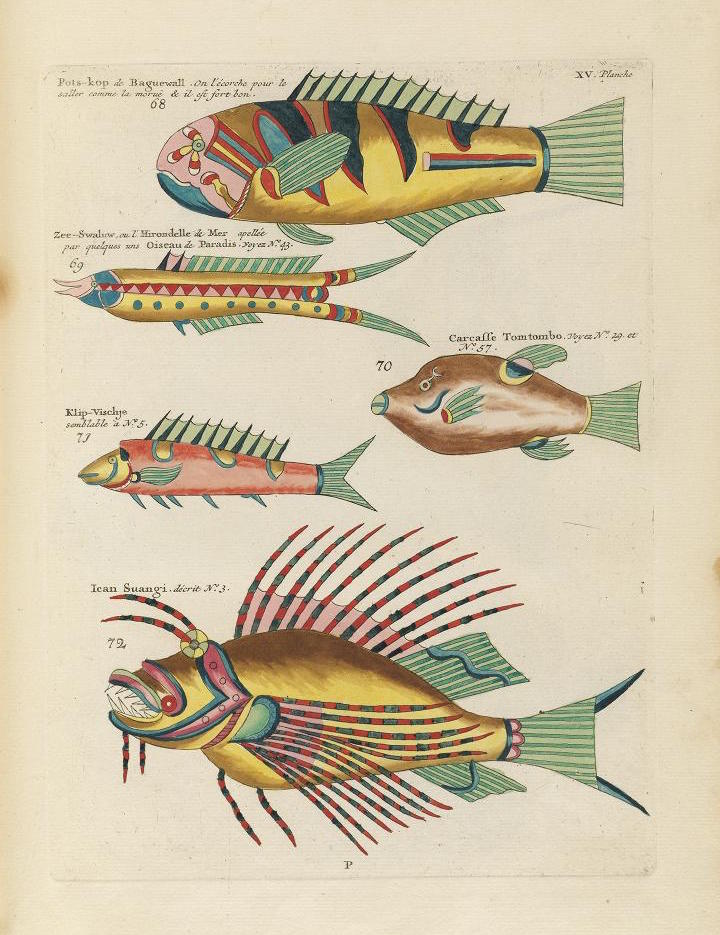
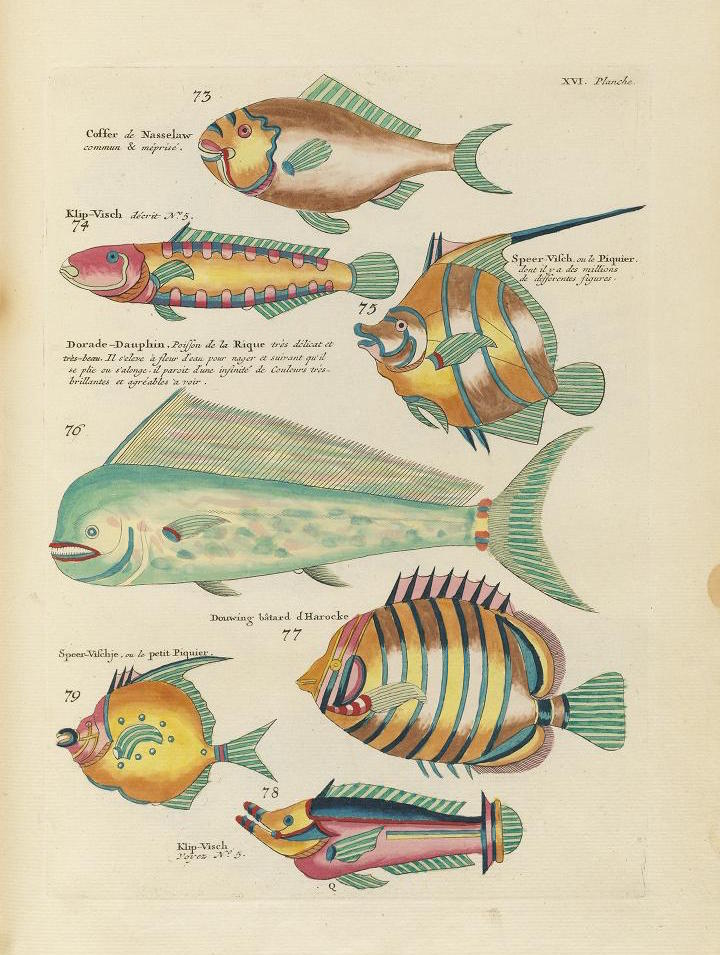
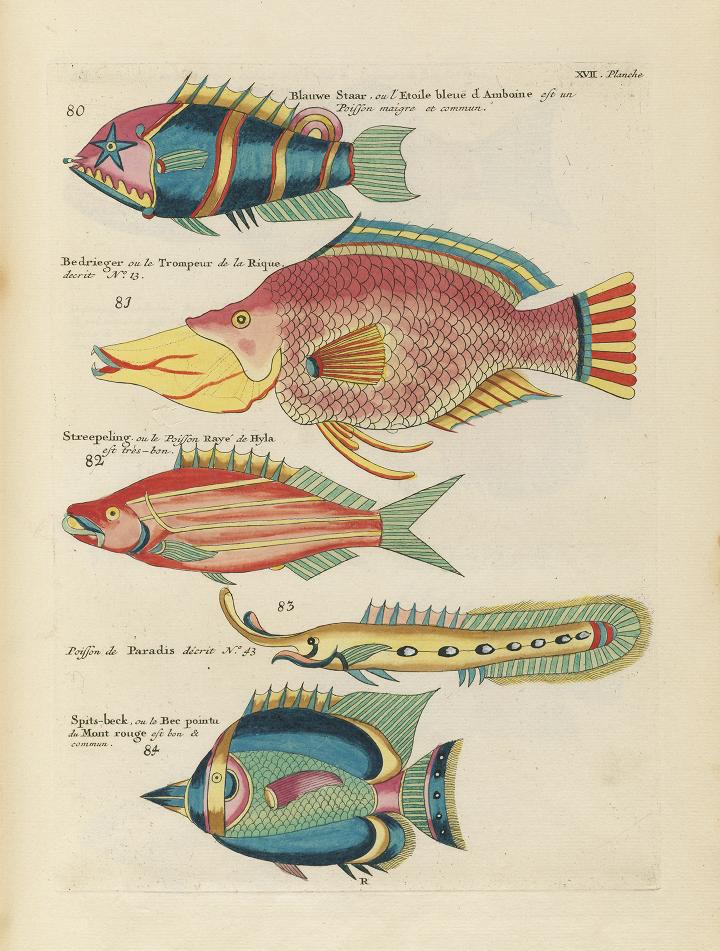
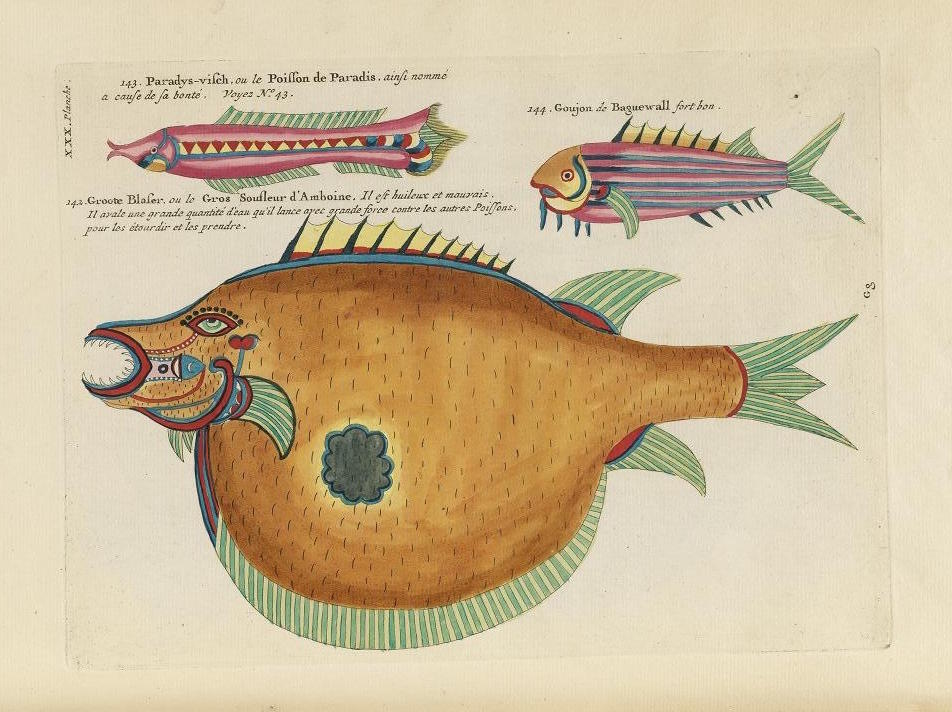
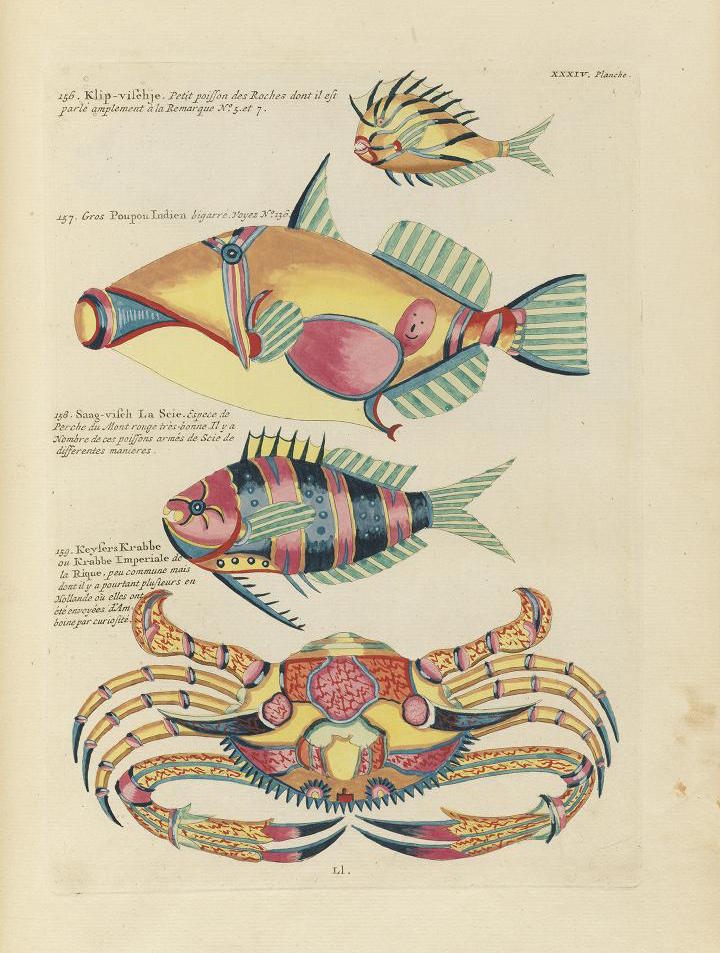
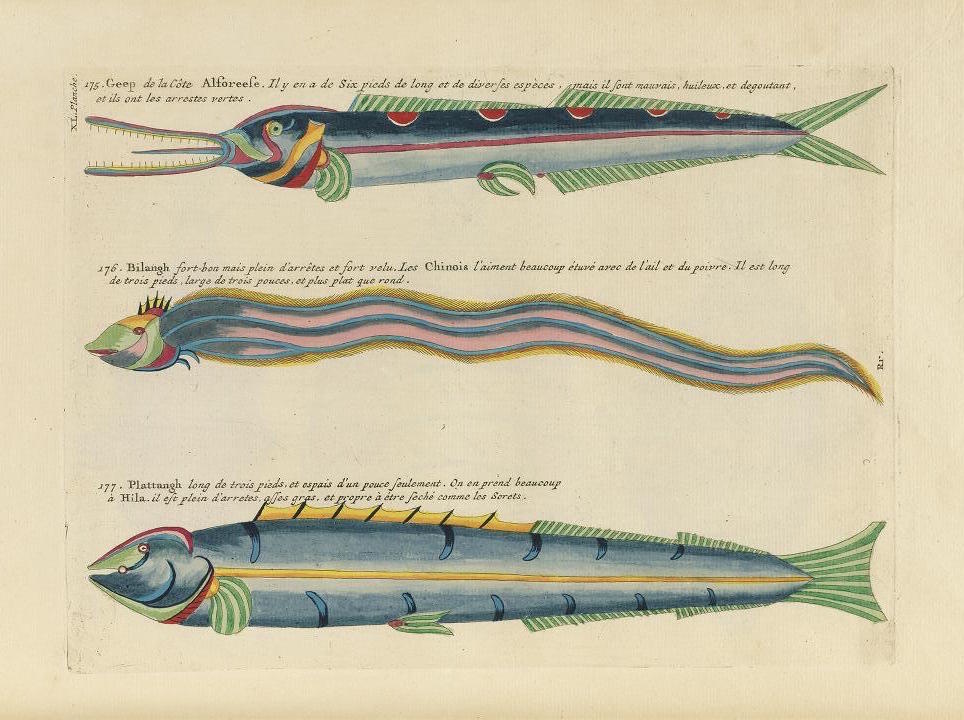
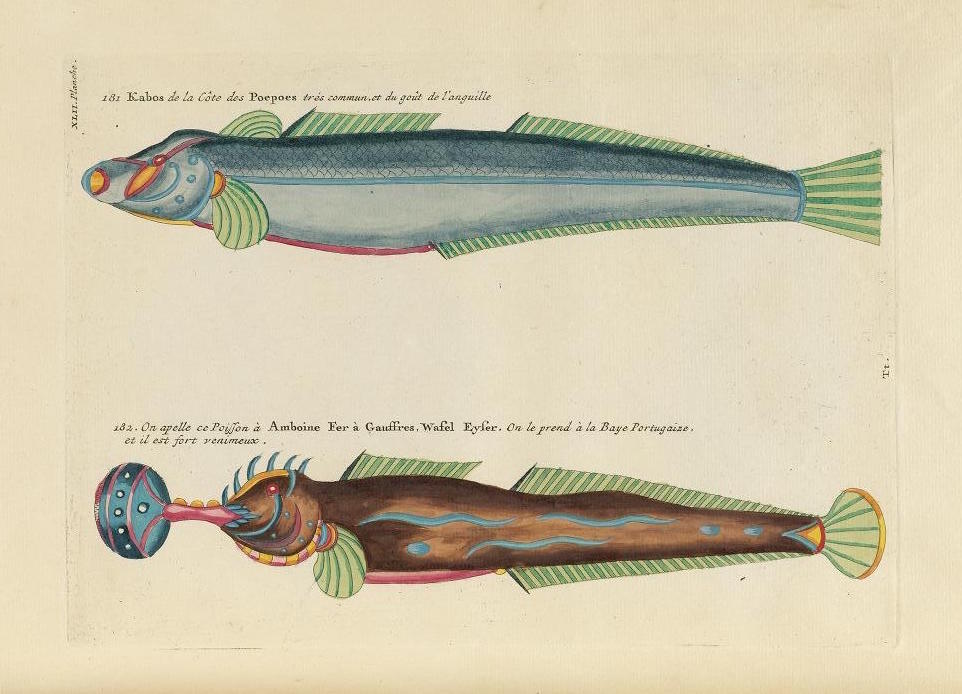
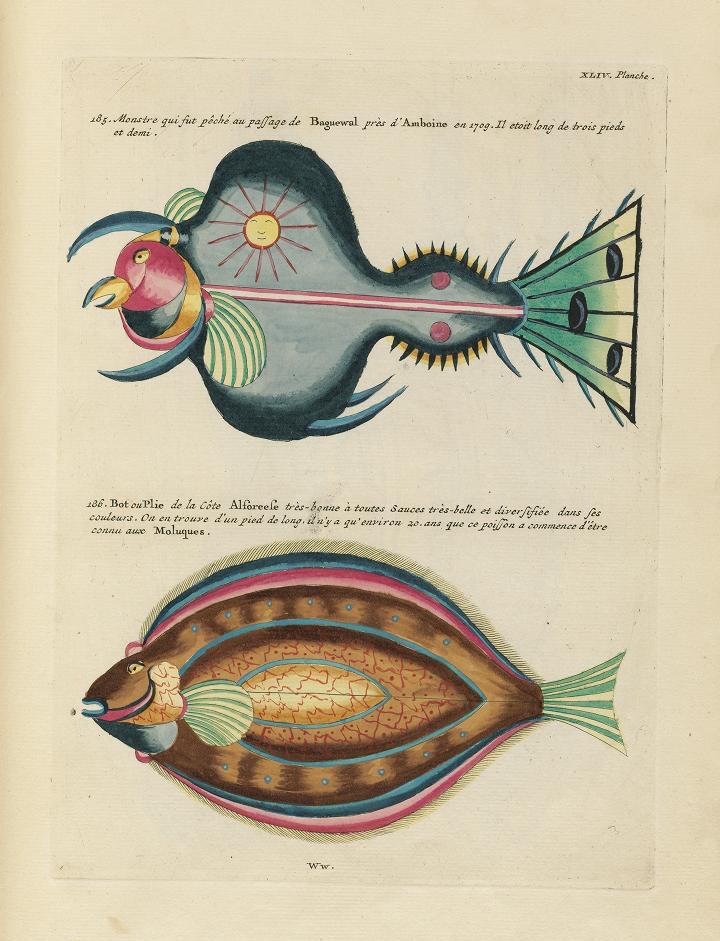
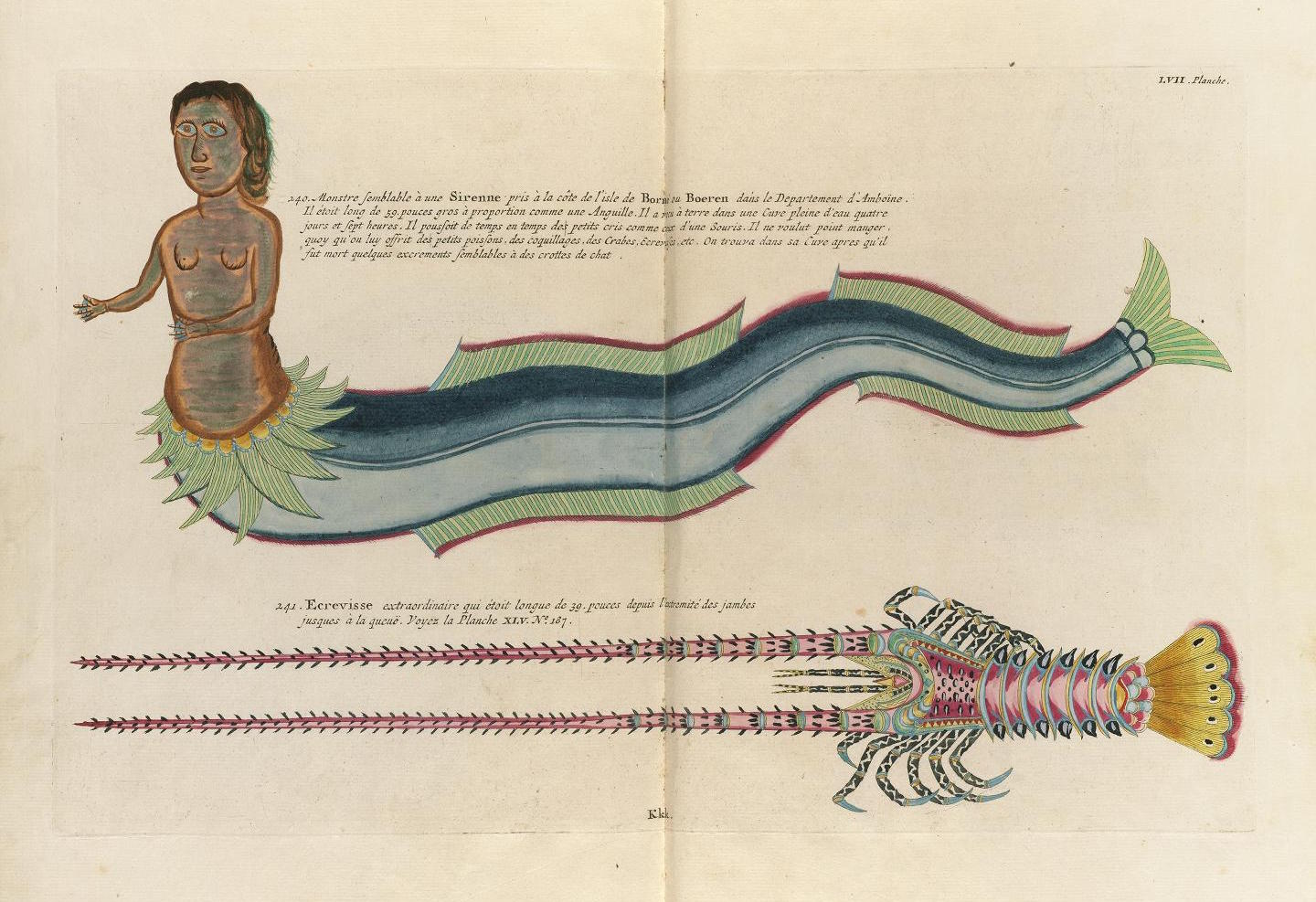
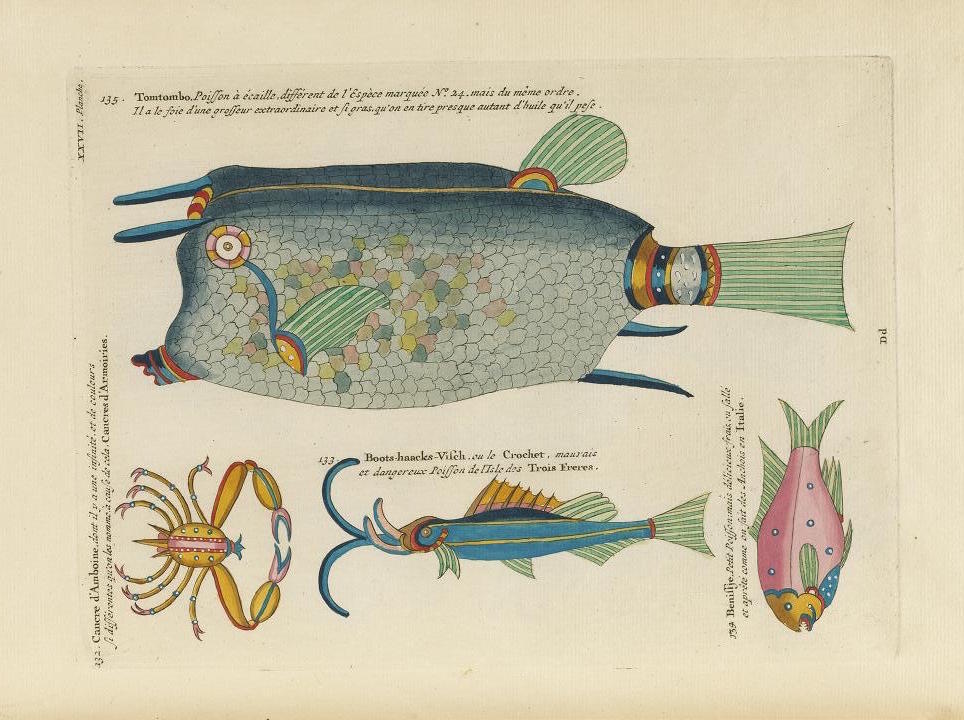
Images from the First Colour Publication on Fish (1754)


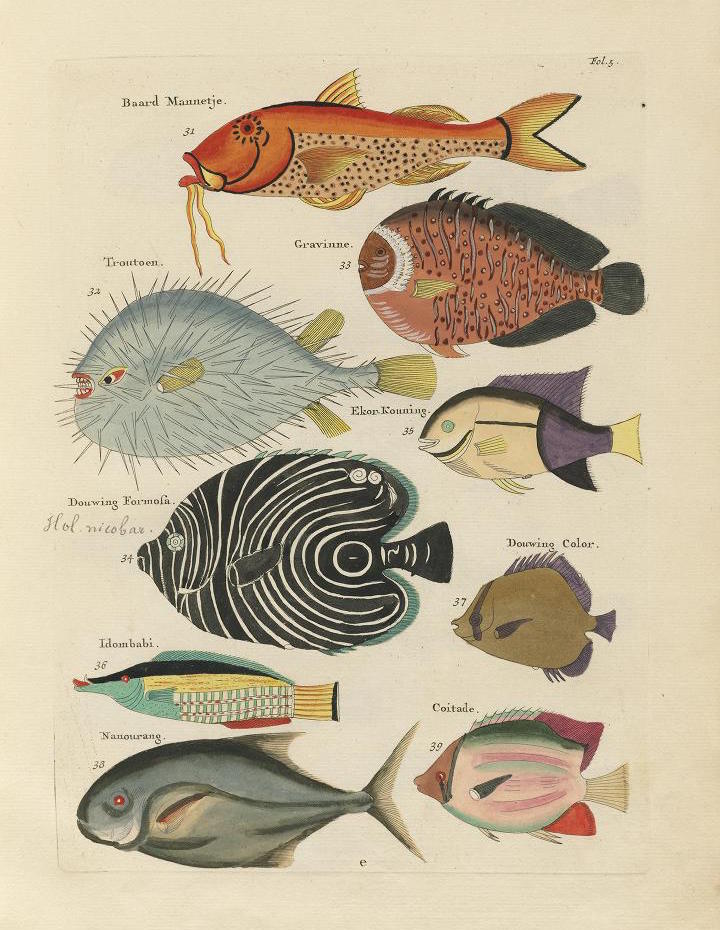
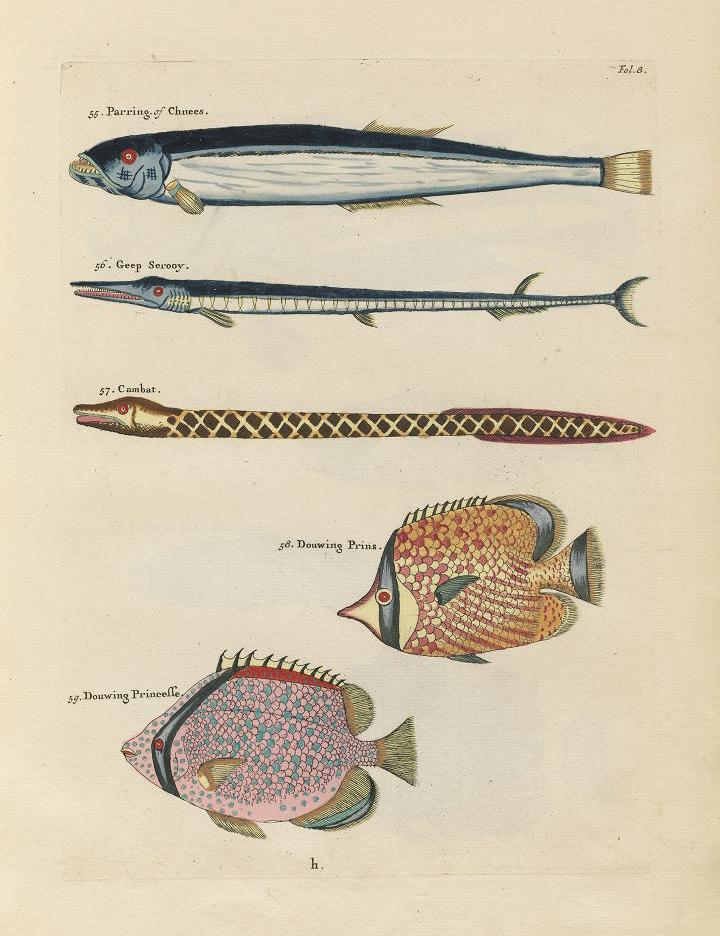
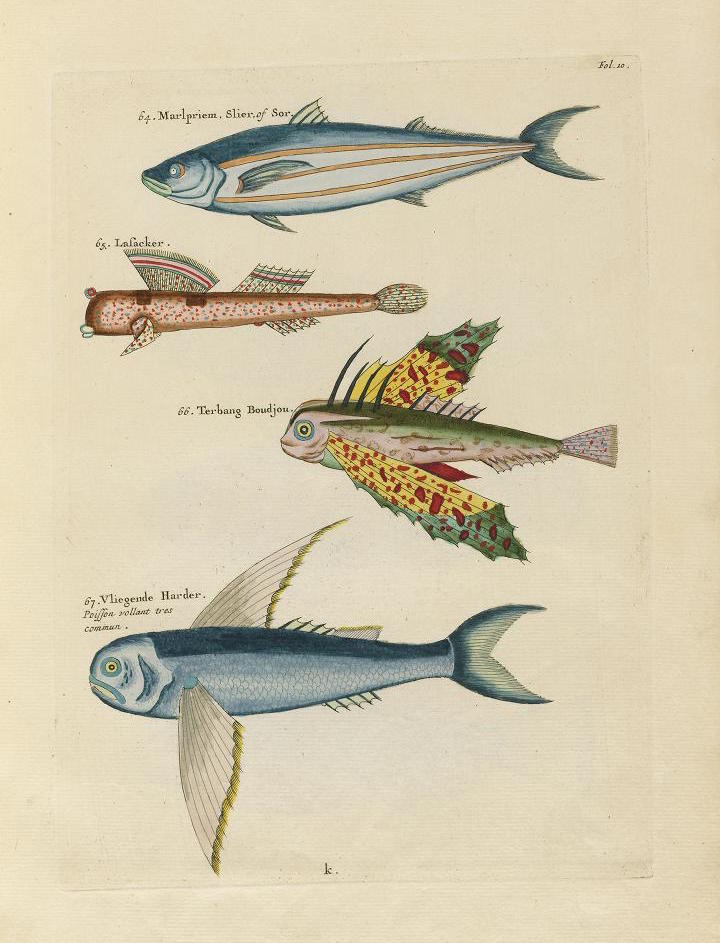
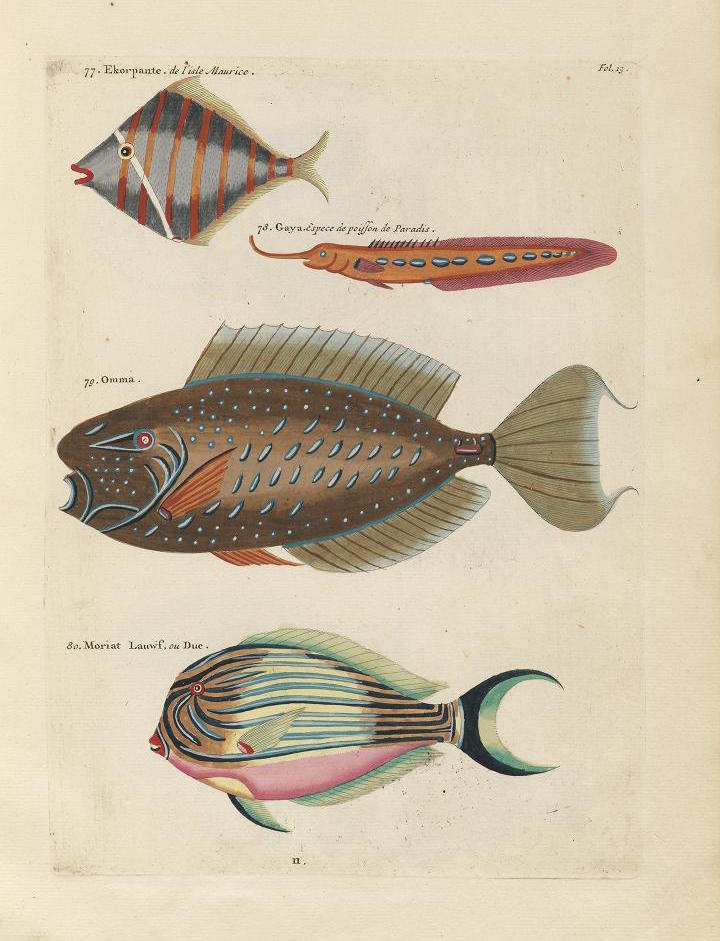
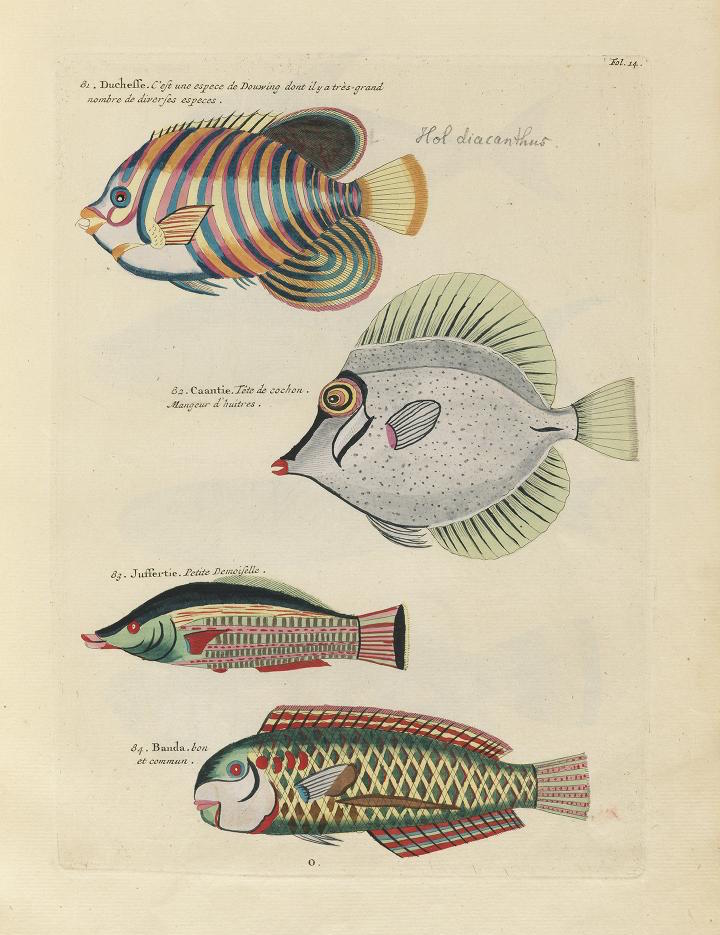
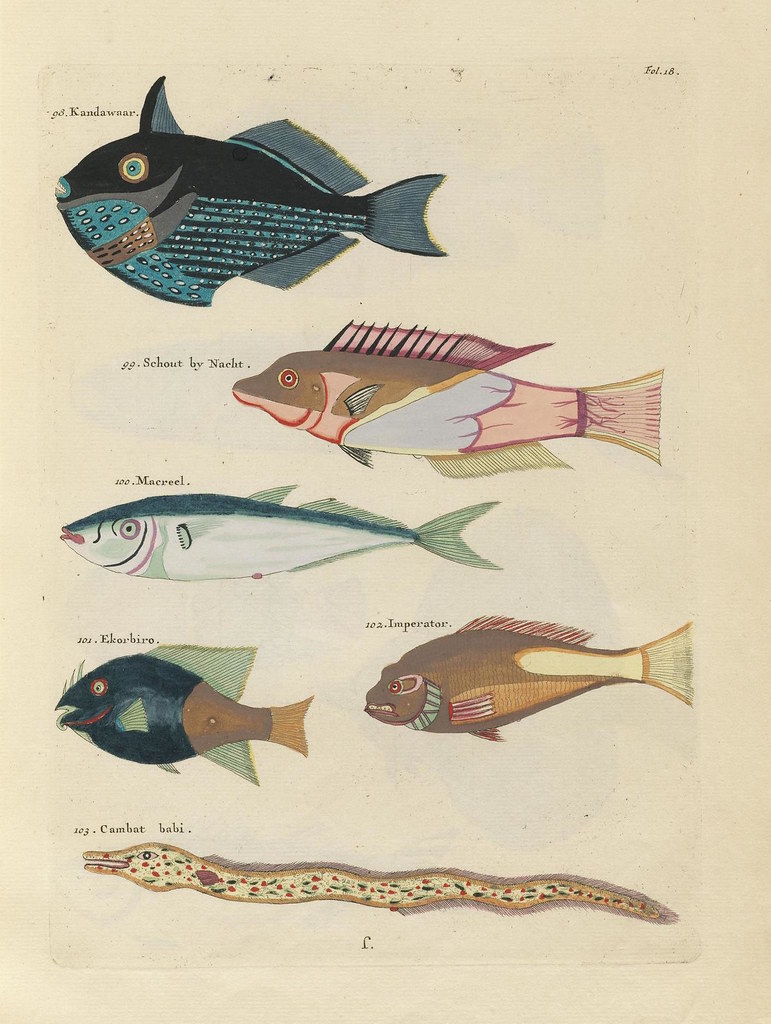
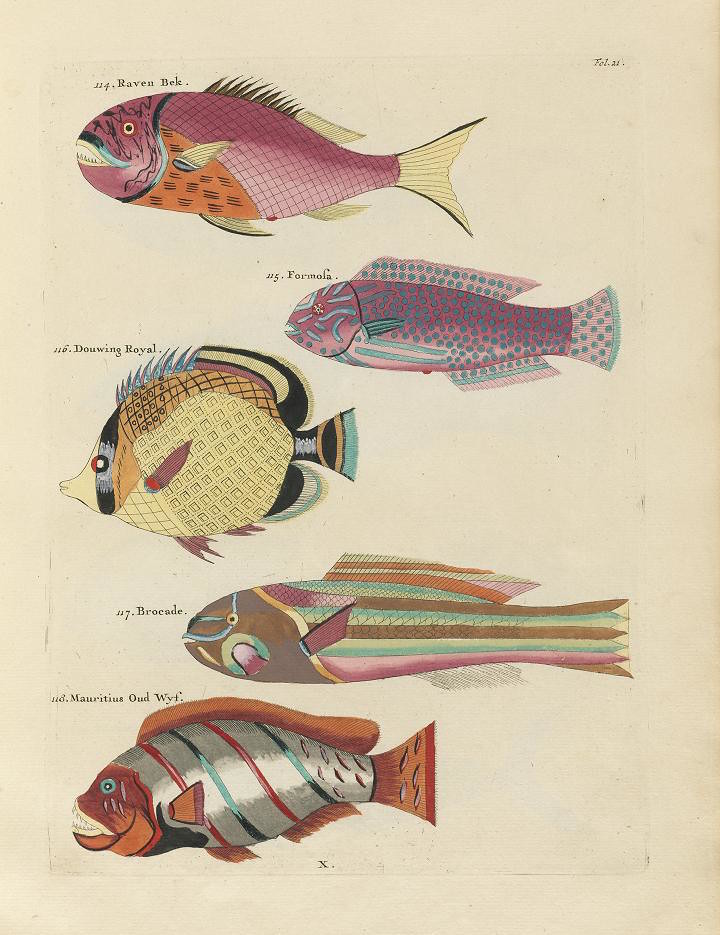
Originally published in 1719, with a second edition in 1754, Poissons, Ecrevisses et Crabes can lay claim to being the earliest known publication in colour on fish — in this case, celebrating those hailing from the waters of the East Indies. This wonderful book is the creation of Louis Renard — a publisher, bookseller, and spy for the British Crown (employed by Queen Anne, George I and George II). This latter role, which saw him help guarantee the Protestant succession to the throne by denying James Stuart supplies, was not particularly secret and it seems Renard used the fact to add some intrigue to his books. This work, for example, is actually dedicated to George I, and the title-page describes the publisher as “Louis Renard, Agent de Sa Majesté Britannique”. 

All in all, across the two volumes, the book contains 100 plates bearing 460 hand-coloured engravings — a total of 415 fishes, 41 crustaceans, two stick insects, a dugong and, in a final foldout, a solitary mermaid. The engravings were supposedly based on drawings from life by the artist Samuel Fallours (active 1703–20) which belonged to Baltazar Coyett, Governor of Ambon and Banda (1694–1706), and to Mr Van der Stael, Governor of the Molucca Islands. There is no main text as such, only that found in and amongst the images, which tends to be anecdotal, mainly focusing on recipes as opposed to science. 

If the illustrations are breathtaking to us now, with all the hours of David Attenborough documentaries under our belts, one can only imagine the impact this would have had on a European audience of the eighteenth century, to which the exotic ocean life of the East would have been virtually unknown. Even for today’s most learned pescatologist, however, many of the illustrations might give some cause for surprise. Produced in two volumes, the images in the first part tend to be fairly realistic, but many in the second stray somewhat into the realms of fantasy, despite Renard’s ardent claims of authenticity. As Glasgow University Library explains, “many of the fish bear no similarity to any living creatures. Inaccuracies are found in the addition of small human faces, suns, moons and stars to the flanks of fishes and the carapaces of crabs. It would also seem that colours were applied in a rather arbitrary fashion.” It’s the expressive faces and outlandish colours, in particular, which give so many of the fish a cartoon-like quality, almost as though cast portraits from some sassy ocean-based animation. 

In 2010, Taschen published Samuel Fallours: Tropical Fishes of the East Indies, which features Samuel Fallours’ original illustrations. See also a post about Renard’s book on the Biodiversity Heritage Library blog.


PoissonsecrevisIRena_0029 

PoissonsecrevisIRena_0035 

PoissonsecrevisIRena_0039 

PoissonsecrevisIRena_0045 

PoissonsecrevisIRena_0047 

PoissonsecrevisIRena_0055 

PoissonsecrevisIRena_0061 

PoissonsecrevisIRena_0067 

PoissonsecrevisIRena_0075 

PoissonsecrevisIRena_0101 

PoissonsecrevisIRena_0109 

PoissonsecrevisIRena_0119

PoissonsecrevisIRena_0121

PoissonsecrevisIRena_0123

PoissonsecrevisIRena_0125

PoissonsecrevisIRena_0127 

PoissonsecrevisIRena_0129

PoissonsecrevisIRena_0137 

PoissonsecrevisIRena_0139 

PoissonsecrevisIRena_0141 

PoissonsecrevisIRena_0161

PoissonsecrevisIRena_0167

PoissonsecrevisIRena_0175 

PoissonsecrevisIRena_0187

PoissonsecrevisIRena_0191

PoissonsecrevisIRena_0195 

PoissonsecrevisIRena_0219 

PoissonsecrevisIRena_0220


Temple of Flora

Plates from Robert Thornton’s Temple of Flora (1807)

“The Temple of Flora” is the third and final part of Robert John Thornton’s New illustration of the sexual system of Carolus von Linnaeus, considered by many to be the greatest of all flower books. It consists of a series of sumptuous depictions of flowers notable for their epic and unusual settings. Interwoven amongst the images are various descriptions, histories and poetic odes regarding the flowers featured. The first plates were engraved by Thomas Medland in May 1798 from paintings by Philip Reinagle. Between 1798 and 1807 they produced a total of thirty-three coloured plates, engraved in aquatint, stipple and line. Others engravers included Joseph Constantine Stadler working from the painting of Peter Charles Henderson. When he planned the project, Thornton had decided to publish seventy folio-size plates. Lack of interest from the general public spelled disaster for the scheme, and the holding of a lottery could not save it from financial ruin, neither did a page in the work dedicated to the spouse of George III, Queen Charlotte, patroness of botany and the fine arts. (Wikipedia)
Highy recommended is Taschen’s beautiful facsimile edition of the work from 2013, available here.